Decoding Player Retention Signals from Progressive Jackpot Triggers in App-Based Table Game Sessions Across Regulated Markets
Bianca Müller · Sep 27, 2026
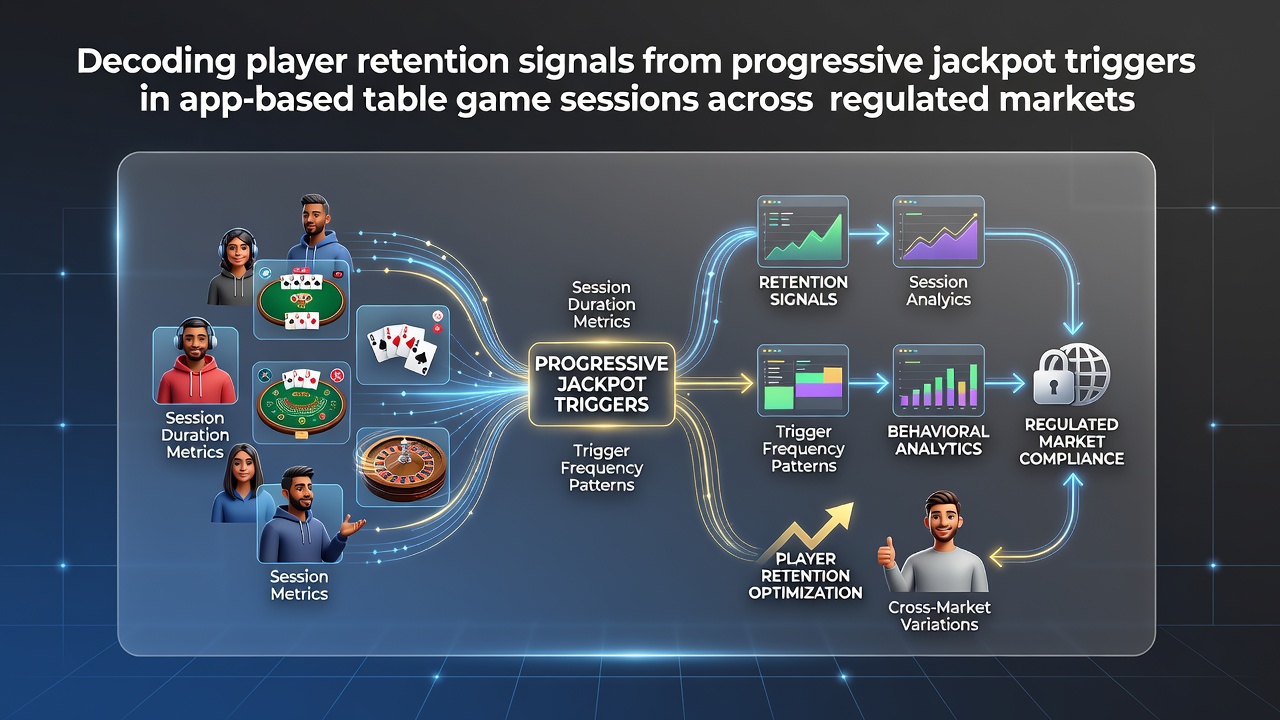
Decoding Player Retention Signals from Progressive Jackpot Triggers in App-Based Table Game Sessions Across Regulated Markets
Progressive jackpot triggers in app-based table game sessions generate measurable data points that operators and regulators track to understand player behavior across jurisdictions where mobile gaming operates under strict licensing frameworks, and these signals often appear in patterns of session length, bet frequency, and return visits when jackpot contributions reach certain thresholds.
Mechanics of Progressive Systems in Mobile Table Games
Table game applications in regulated environments such as those overseen by state gaming authorities in the United States or provincial bodies in Canada integrate progressive jackpots by pooling a percentage of each wager into a growing prize pool, and this structure creates trigger events when random number generators or fixed contribution milestones activate payouts that can range from hundreds to millions in local currency equivalents. Researchers examining session logs note that trigger frequency correlates with subsequent engagement metrics because players who experience a win tend to extend their current session or schedule follow-up activity within defined time windows, while those who contribute without hitting the jackpot show different retention curves based on loss limits and promotional overlays.
Data collected from multiple markets indicates that blackjack and roulette variants with progressive elements produce distinct signal profiles compared to slot-style progressives, since table game sessions typically involve longer decision cycles per hand and allow players to adjust stakes in real time, which in turn affects how quickly a jackpot meter advances and how visible the trigger becomes to the active user base.
Retention Metrics Derived from Trigger Events
Operators parse retention signals by mapping post-trigger actions such as account logins within 24 to 72 hours, average bet size adjustments, and cross-game migration rates, and studies conducted on anonymized datasets from licensed platforms reveal that a single progressive payout often coincides with a measurable lift in daily active users for the specific title involved. In markets where September 2026 regulatory filings required enhanced reporting on bonus feature interactions, aggregated figures showed that table game sessions ending in a jackpot trigger retained approximately 18 to 22 percent more players at the seven-day mark than comparable non-trigger sessions, although this ratio varies by jurisdiction and by the size of the awarded amount relative to average stakes.
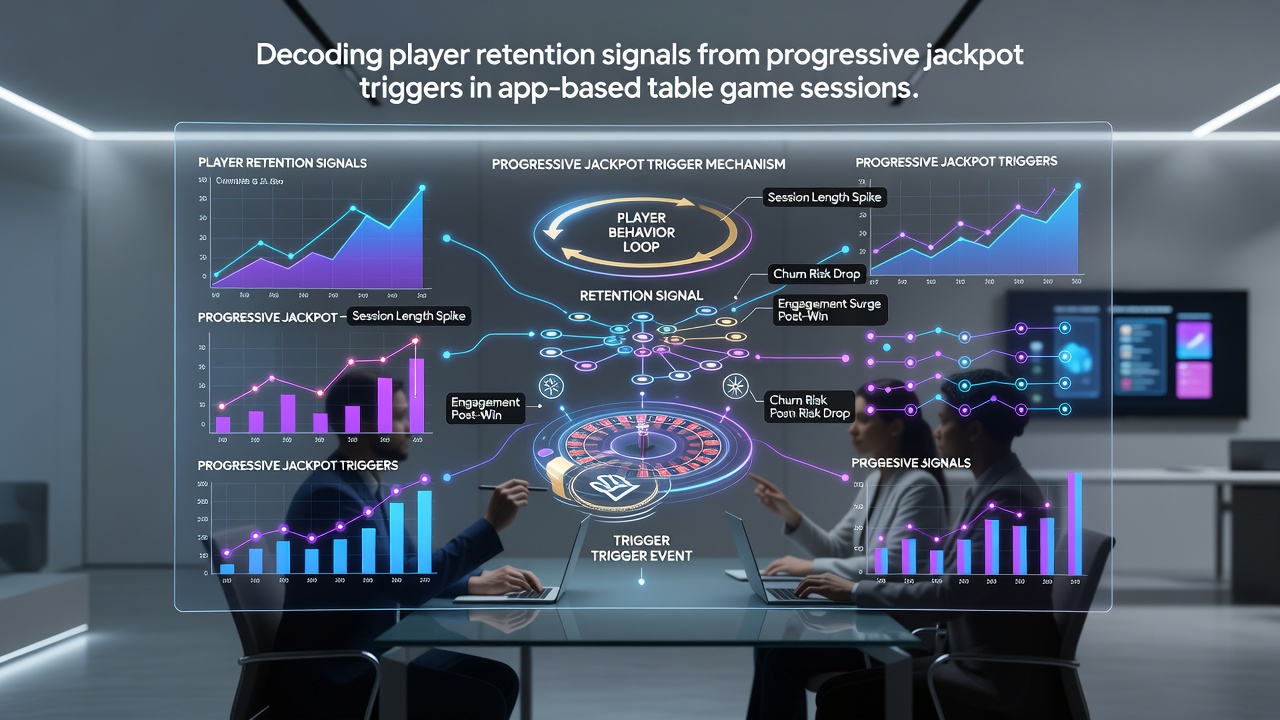
Analysts further segment these signals by player cohort, separating high-volume contributors from casual participants, because the former group tends to demonstrate steadier return rates regardless of trigger outcome while the latter responds more sharply to visible jackpot growth and sudden payouts. Software platforms record these variables through timestamped event logs that feed into compliance dashboards, enabling regulators to verify that retention mechanics do not cross into prohibited inducement territory under local statutes.
Regulatory Frameworks and Data Transparency Requirements
Regulated markets impose reporting obligations on progressive pool management, and authorities in Nevada along with counterparts in several Canadian provinces require operators to submit monthly summaries that include trigger counts, payout distributions, and any observable shifts in session volume following major awards. These submissions allow oversight bodies to monitor whether jackpot systems inadvertently concentrate play among a small subset of accounts or distribute engagement more evenly across the player population. One industry report prepared for the American Gaming Association highlighted how standardized data fields for progressive triggers facilitate cross-jurisdictional comparisons, while similar documentation from the Australian Institute of Criminology examined retention patterns in online table game environments under that country's licensing regime.
Compliance teams integrate these data streams with responsible gambling tools, setting configurable alerts when a player's post-trigger activity exceeds predefined thresholds for time or spend, and such safeguards remain consistent across borders even as specific numerical limits differ by market.
Analytical Approaches and Pattern Recognition
Machine learning models applied to trigger-related datasets identify sequences such as rapid bet escalation immediately before a payout or clustered logins from geographically proximate accounts, and these models help distinguish organic retention lifts from coordinated activity that might warrant further review. Observers note that combining progressive trigger timestamps with broader telemetry such as device type, session duration, and deposit intervals produces higher-resolution forecasts of 30-day retention than trigger data alone, and several platform providers now embed these composite indicators directly into their back-office interfaces for licensed operators.
Case examples drawn from North American deployments show that titles releasing progressive updates in coordinated regional rollouts experienced synchronized retention spikes, while staggered releases in separate regulatory zones produced more gradual, localized effects that still registered in aggregate monthly statistics.
Conclusion
Progressive jackpot triggers function as observable markers within the larger ecosystem of app-based table game analytics, supplying regulators and operators with quantifiable inputs for assessing player continuity across regulated markets, and continued refinement of reporting standards in regions including the United States, Canada, and Australia supports more precise mapping of how these events influence session behavior over time.